The New Wave of Terrorism in Pakistan
The Need to Revive the National Action Plan

Rise in Terrorist Incidents in Pakistan: A Growing Concern
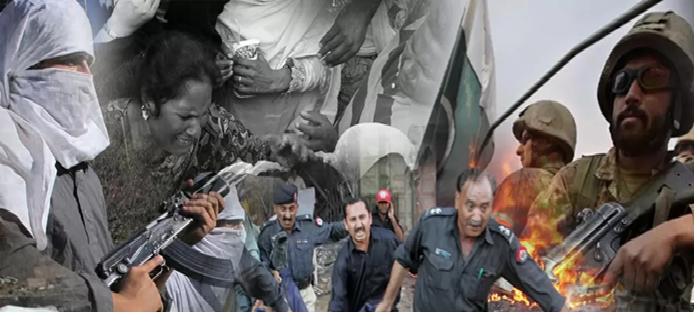
In recent weeks, Pakistan has witnessed a dangerous surge in terrorist activities, particularly in Khyber Pakhtunkhwa and Balochistan. The new wave of militant attacks has severely compromised the security situation. Incidents such as the attack on the Jaffer Express, bomb blasts in Peshawar, and gunfire targeting government institutions in Balochistan have heightened concerns among both the government and the public.
In response to this crisis, an emergency meeting of the parliamentary committee was convened in Islamabad. Attended by Chief of Army Staff General Asim Munir, federal ministers, intelligence agency heads, and political leaders, the meeting reaffirmed the state’s commitment to eradicating terrorism with full force.
Pakistan has achieved significant success in the past through military operations, such as those in Swat and Waziristan, which dismantled terrorist networks. The Swat operation, in particular, enjoyed widespread public support and resulted in the elimination of militants within six weeks. Given the current circumstances, another military operation may become necessary, as past experiences indicate that terrorism cannot be completely eradicated without the use of force. However, military action alone is insufficient; public support and the involvement of civil institutions are crucial for establishing lasting peace.
The committee emphasised the reactivation of the 2014 National Action Plan, which had unified state institutions against terrorism and reinforced the resolve for decisive action. A strategic and politically unified approach was deemed necessary, involving all political parties. During the meeting, senior officials, including the army chief, key government ministers, parliamentary committee members, and intelligence representatives, discussed the rising terrorist threats. Citing the 2009 Swat military operation as an example, they highlighted how the displacement of 2.2 million people led to the successful recapture of eight districts in Malakand within six weeks.
The concept of a “Hard State” was introduced, signifying a shift towards prioritising force-based solutions to security challenges. The government was instructed to incorporate advanced social media monitoring tools into its security policies. The committee also expressed regret over the absence of opposition members from the meeting, citing their non-participation as a sign of political disunity.
The session concluded with a unanimous agreement that the state must act with full force to eliminate terrorist elements and develop a comprehensive counterterrorism strategy. Concerns were raised over the misuse of social media by terrorist groups for radicalisation, funding, and propaganda against the state. The committee stressed the need for intelligence agencies and law enforcement bodies to work together to monitor and take action against such activities.
A particularly contentious issue discussed was the involvement of a Baloch political leader, whose brother leads the Balochistan Liberation Army (BLA) and engages in terrorist activities against the state. The meeting criticised opposition parties for prioritising their political interests over national security, citing instances such as setting conditions for the parole release of a detained leader or the non-cooperation of Khyber Pakhtunkhwa’s Chief Minister in national security meetings. Such actions, it was argued, weaken national security and send the wrong message to the international community at a critical juncture.
The committee viewed the opposition’s absence as detrimental to national interests and called for unity among political factions to form a united front against adversaries. It was acknowledged that while military operations weaken terrorist networks, they are only a temporary solution. Experts suggested that law enforcement agencies, particularly the police, should play a more central role in counterterrorism efforts, given their direct engagement with the public. They emphasised that the police require capable decision-makers to enhance their effectiveness in operations.
The issue of Balochistan was also deliberated upon, with the committee recognising that a lasting solution requires rebuilding the Baloch people’s trust in the state. Political dialogue and economic development initiatives were identified as essential steps in this process.
Additionally, the committee admitted that the state’s narrative remains confined to Rawalpindi and Islamabad, failing to reach the Baloch youth and general populace. The recent attacks on Chinese nationals have further strained Pakistan’s relations with China, a key ally, leading to fears of increasing international isolation.
Given the rise in terrorism, Pakistan appears to be moving towards a “Hard State” policy, which entails decisive military action against extremist elements. However, some analysts argue that military force alone is insufficient; addressing underlying socio-political issues is equally important. Experts suggest that before resorting to a hard intervention, the government should prioritise soft interventions aimed at restoring public trust and fostering national cohesion.
Rising Terrorist Incidents in Pakistan: Growing Concerns
In recent weeks, Pakistan has witnessed a dangerous surge in terrorist activities, particularly in Khyber Pakhtunkhwa and Balochistan. A fresh wave of militant attacks has severely destabilised the security situation. Incidents such as the attack on the Jaffar Express train, bomb blasts in Peshawar, and shootings at government institutions in Balochistan have heightened concerns among both the government and the public.
In response to this crisis, an emergency parliamentary committee meeting was held in Islamabad. The meeting, attended by Chief of Army Staff General Asim Munir, federal ministers, intelligence chiefs, and political leaders, reaffirmed the government’s commitment to eradicating terrorism with full force.
Pakistan has previously achieved significant success in dismantling terrorist networks through military operations such as those in Swat and Waziristan. Notably, the Swat operation, which enjoyed widespread public support, led to the elimination of militants within six weeks. The current situation suggests that another military operation may be necessary, as past experiences have demonstrated that terrorism cannot be completely eradicated without the use of force. However, military action alone is insufficient; public support and the involvement of civil institutions are crucial for lasting peace.
The committee emphasised the reactivation of the 2014 National Action Plan, which facilitated coordination among state institutions to combat terrorism and stressed the need for strict enforcement of anti-terror measures. The necessity of a unified and coordinated political strategy involving all political parties was also highlighted.
During the meeting, top officials, including the Army Chief, senior government ministers, parliamentary committee members, and intelligence representatives, reviewed the growing terrorist threats. Referring to the 2009 Swat operation, it was noted that despite the displacement of 2.2 million people, eight districts of Malakand were successfully reclaimed within six weeks.
The term “hard state” was discussed in the session, indicating a shift towards prioritising security challenges through decisive action. The government was instructed to integrate advanced social media monitoring tools into its security policies. Furthermore, the committee expressed disappointment over the absence of some opposition members, viewing it as a lack of political unity.
At the conclusion of the meeting, it was agreed that the government must suppress terrorist elements with full force and formulate a comprehensive counter-terrorism strategy. Concerns were raised over terrorist groups exploiting social media for recruitment, funding, and anti-state propaganda. The committee stressed the need for intelligence agencies and law enforcement to collaborate in monitoring and countering such activities.
A controversial issue discussed was the role of a Baloch political leader whose brother leads the Balochistan Liberation Army (BLA) and engages in terrorist activities against the state. The opposition parties were criticised for prioritising political interests over national security. Examples cited included demands for the conditional release of a detained leader and the refusal of the Khyber Pakhtunkhwa Chief Minister to participate in national security meetings—actions seen as undermining national security and sending the wrong message to the international community.
The committee deemed the opposition’s absence as contrary to national interests and called for political unity to present a united front against the country’s adversaries. It was also emphasised that military operations weaken terrorist networks but serve only as a temporary solution. Experts believe that the police should play a greater role in counter-terrorism efforts, given their direct connection with the public. They stressed that the police require competent policymakers to effectively contribute to anti-terrorism operations.
The issue of Balochistan was also discussed, with the committee acknowledging that the long-term solution lies in restoring the trust of the Baloch people in the state. Confidence-building measures, such as political negotiations and economic development, were deemed essential to resolving the crisis.
Additionally, the committee noted that the government’s narrative remains confined to Rawalpindi and Islamabad, failing to reach Baloch youth and the general populace. Recent attacks on Chinese citizens have also eroded China’s trust in Pakistan, raising concerns about international isolation.
Given the rise in terrorist incidents, Pakistan appears to be moving towards a “hard state” policy, suggesting stringent actions against extremists. However, some analysts argue that brute force alone is insufficient to eliminate extremism; addressing social and political grievances is equally important. Experts suggest that before resorting to severe measures, the government should focus on restoring public trust and fostering national cohesion.