
From Depths to Light
Echoes of Mercy

Ladies and Gentlemen, Honoured Scholars, Faithful Stewards of Belief, and Seekers of Truth whose hearts beat to the rhythm of unity and compassion—
With utmost reverence and heartfelt supplication for peace upon all of you, I extend my profound gratitude to the esteemed organisers of this august gathering—the International Interfaith Council—not for merely orchestrating an event, but for kindling a beacon of hope for humanity’s continuity, for drawing hearts together, and for lighting a path toward a world at peace.
Today, we gather beneath the canopy of shared reverence to honour the luminous legacy of a prophet whose life is not the preserve of a single faith, but rather a shared parable of enlightenment to the three great Abrahamic traditions—Islam, Christianity, and Judaism. His story is not merely a chronicle, but a spiritual compass; not a tale of antiquity, but a living metaphor for our collective moral journey.
We speak, of course, of the noble Prophet Jonah—Hazrat Yunus (peace be upon him)—known in the Qur’an by the venerable titles Dhul-Nun and Sahib al-Hoūt, “the Man of the Whale.” His story traverses the sacred texts of the Torah, the Gospels, and the Holy Qur’an, shining with equal sanctity in each—a testament to the spiritual inheritance we all, as Children of Abraham, are bound by.
But let us not reduce his life to mere fable or theological anecdote. His is a narrative drenched in divine mercy, a cry from the depths of despair turned into a song of redemption. It is the journey from darkness to light, from alienation to reconciliation, from despair to the radiant dawn of hope. It is, at its core, a map for humankind—should we only heed its timeless call.
As a Muslim, I begin by turning to that final revelation bestowed upon the Final Prophet ﷺ—the Glorious Qur’an, a book not only of divine origin but divinely preserved, safeguarded by the Lord of Majesty Himself until the end of time. It is both miracle and message, guide and guardian for all mankind. Within its pages, the tale of Prophet Yunus is inscribed across six surahs: An-Nisa, Al-An’am, Yunus, As-Saffat, Al-Anbiya, and Al-Qalam—each offering glimpses of his mission, his trial, and his ultimate redemption.
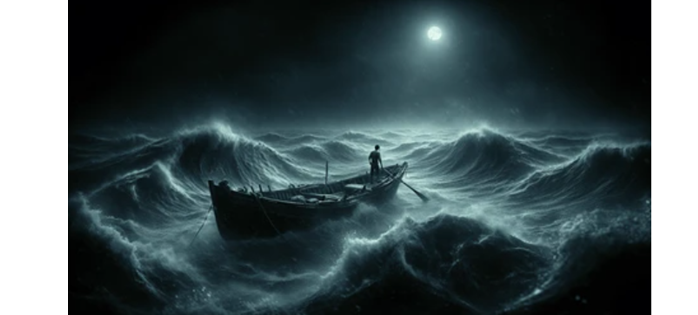
Consider the imagery: a prophet swallowed by the belly of the whale, enveloped in layers of darkness—the darkness of the sea, the night, and his own anguish—yet from within that abyss, he utters not a cry of rebellion but a whisper of repentance:
“There is no deity but You; glory be to You! Truly, I was among the wrongdoers.” (Qur’an, Surah Al-Anbiya, 21:87)
This supplication—this exquisite admission of human frailty—resonates through the centuries as one of the most profound articulations of humility and divine trust known to sacred literature. It is a prayer that pierces veils, that calls not only for forgiveness but for reawakening. It is the voice of a prophet, yes, but also the echo of every soul that has ever known regret and longed for return.
His story, dear friends, is a shared ember in the hearth of humanity. It is not confined by creed or canon but lives in the conscience of all who dare to hope. It is the anthem of the penitent, the path of the seeker, the testimony of divine compassion. And today—amidst the clangour of our fractured world—it returns to us as a call to unity: not of uniformity, but of understanding; not of sameness, but of sacred harmony.
Let us then, on this blessed occasion, draw from this ocean of meaning not only inspiration but resolution—a resolution to transcend our divisions, to honour our shared heritage, and to reimagine a world where faith is not a battleground, but a bridge; not a badge of isolation, but a bond of brotherhood.
May the voice of Prophet Yunus echo once more—not from the depths of a whale, but from the depths of our conscience. Let it be heard not as history, but as prophecy. Not as memory, but as mandate. In Surah As-Saffat, He said:
وَإِنَّ يُونُسَ لَمِنَ ٱلْمُرْسَلِينَ، إِذْ أَبَقَ إِلَى ٱلْفُلْكِ ٱلْمَشْحُونِ، فَسَاهَمَ فَكَانَ مِنَ ٱلْمُدْحَضِينَ ، فَٱلْتَقَمَهُ ٱلْحُوتُ وَهُوَ مُلِيمٌۭ ، فَلَوْلَآ أَنَّهُۥ كَانَ مِنَ ٱلْمُسَبِّحِينَ ، لَلَبِثَ فِى بَطْنِهِۦٓ إِلَىٰ يَوْمِ يُبْعَثُونَ ، فَنَبَذْنَـٰهُ بِٱلْعَرَآءِ وَهُوَ سَقِيمٌۭ ، وَأَنبَتْنَا عَلَيْهِ شَجَرَةًۭ مِّن يَقْطِينٍۢ ، وَأَرْسَلْنَـٰهُ إِلَىٰ مِاْئَةِ أَلْفٍ أَوْ يَزِيدُونَ ، فَـَٔامَنُوا۟ فَمَتَّعْنَـٰهُمْ إِلَىٰ حِينٍۢ ﴿139-148﴾
And indeed, Jonah was among the messengers. [Mention] when he ran away to the laden ship. And he drew lots and was among the losers. Then the fish swallowed him, while he was blameworthy. And had he not been of those who exalt Allah, He would have remained inside its belly until the Day they are resurrected. But We threw him onto the open shore while he was ill. And We caused to grow over him a gourd vine. And We sent him to [his people of] a hundred thousand or more. And they believed, so We gave them enjoyment [of life] for a time.
The Almighty God said in Surah An-Nisa verse 163 of the Quran:
وَأَوْحَيْنَا إِلَىٰ نُوحٍ وَٱلنَّبِيِّۦنَ مِنۢ بَعْدِهِۦ ۚ وَأَوْحَيْنَآ إِلَىٰٓ إِبْرَٰهِيمَ وَإِسْمَٰعِيلَ وَإِسْحَٰقَ وَيَعْقُوبَ وَٱلْأَسْبَاطِ وَعِيسَىٰ وَأَيُّوبَ وَيُونُسَ وَهَٰرُونَ وَسُلَيْمَٰنَ ۚ وَءَاتَيْنَا دَاوُۥدَ زَبُورًۭا
Indeed, We have revealed to you, [O Muhammad], as We revealed to Noah and the prophets after him. And we revealed to Abraham, Ishmael, Isaac, Jacob, the Descendants, Jesus, Job, Jonah, Aaron, and Solomon, and to David We gave the book [of Psalms].
In verse 86 of Surah Al-An’am, Allah says:
وَإِسْمَٰعِيلَ وَٱلْيَسَعَ وَيُونُسَ وَلُوطًۭا ۚ وَكُلًّۭا فَضَّلْنَا عَلَى ٱلْعَٰلَمِينَ
And Ishmael and Elisha and Jonah and Lot – and all [of them] We preferred over the worlds.
Let’s move on. The Holy Lord says in the Quran, in verse 98 of Surah Yunus:
فَلَوْلَا كَانَتْ قَرْيَةٌ ءَامَنَتْ فَنَفَعَهَآ إِيمَٰنُهَآ إِلَّا قَوْمَ يُونُسَ ۘ لَمَّآ ءَامَنُوا۟ كَشَفْنَا عَنْهُمْ عَذَابَ ٱلْخِزْىِ فِى ٱلْحَيَوٰةِ ٱلدُّنْيَا وَمَتَّعْنَـٰهُمْ إِلَىٰ حِينٍۢ
[Allah] said, “Your supplication has been answered.” So remain on a right course and follow not the way of those who do not know.”
I would like to present another argument to you. Allah says in Surah Al-Anbiya:
وَذَا النُّونِ إِذ ذَّهَبَ مُغَاضِبًا فَظَنَّ أَن لَّن نَّقْدِرَعَلَيْهِ فَنَادَىٰ فِي الظُّلُمَاتِ أَن لَّا إِلَـٰهَ إِلَّا أَنتَ سُبْحَانَكَ إِنِّي كُنتُ مِنَ الظَّالِمِينَ، فَاسْتَجَبْنَا لَهُ وَنَجَّيْنَاهُ مِنَ الْغَمِّ(87-88) ۚ وَكَذَٰلِكَ نُنجِي الْمُؤْمِنِينَ
And [mention] the man of the fish, when he went off in anger and thought that We would not decree [anything] upon him. And he called out within the darknesses, “There is no deity except You; exalted are You. Indeed, I have been of the wrongdoers.” So, We responded to him and saved him from the distress. And thus, do We save the believers.
In the Holy Quran, Prophet Yunus (peace be upon him) is mentioned with the title “Sahih al-Hut” (the owner of the fish).
وَٱصْبِرْ لِحُكْمِ رَبِّكَ وَلَا تَكُن كَصَاحِبِ ٱلْحُوتِ إِذْ نَادَىٰ وَهُوَ مَكْظُومٌ لَّوْلَآ أَن تَدَٰرَكَهُۥ نِعْمَةٌۭ مِّن رَّبِّهِۦ لَنُبِذَ بِٱلْعَرَآءِ وَهُوَ مَذْمُومٌۭ فَٱجْتَبَٰهُ رَبُّهُۥ فَجَعَلَهُۥ مِنَ ٱلصَّـٰلِحِينَ۔۔۔۔(القلم:48-50)
Then be patient for the decision of your Lord, [O Muhammad], and be not like the companion of the fish when he called out while he was distressed. If not that a favour from his Lord overtook him, he would have been thrown onto the naked shore while he was censured. And his Lord chose him and made him of the righteous.
The Tale of Jonah: A Beacon of Divine Mercy, Interfaith Harmony, and the Universality of Repentance
Honourable attendees, seekers of truth, and companions in faith and conscience,
Among the parables preserved in the shared sacred heritage of the Abrahamic traditions, few possess the poignant resonance and spiritual luminosity of the story of the Prophet Jonah — known in the Qur’an as Yūnus ibn Mattā (ذو النون). His tale, chronicled in the scriptures of Islam, Christianity, and Judaism alike, stands not merely as an account of trial and triumph, but as an enduring parable of contrition, patience, divine mercy, and the unfathomable depth of God’s compassion.
The Qur’anic narrative, rendered in verses as delicate and sublime as moonlight on water, encapsulates that moment when Jonah, enveloped in darkness and disquiet, called upon his Lord—not in pride but in remorse, not in command but in surrender. That supplication — “There is no deity but You, Glory be to You; surely I was among the wrongdoers” — was answered not with reproach, but with redemption.
The Prophet Muhammad ﷺ, in his august humility, further ennobled Jonah’s dignity by proclaiming — as narrated by the venerable companion Abu Hurairah (may Allah be pleased with him) — “No one should say that I am better than Jonah, son of Matta.” A declaration of such ethical depth that it annihilates arrogance and exalts the fraternity of the Prophets.
In the Judeo-Christian tradition, the Book of Jonah—comprised of four concise, yet theologically potent chapters—unfolds a narrative wherein the reluctant prophet, bidden by the Divine to warn the city of Nineveh, attempts flight. But providence intervenes. A great storm rises; Jonah is cast into the sea, and there, by Divine decree, a great fish swallows him. For three days and three nights he dwells in its belly—a living tomb and a womb of spiritual rebirth.
“Out of the belly of Sheol I cried, and Thou didst hear my voice.” (Jonah 2:2)
From this depth, both literal and metaphysical, Jonah is restored. He emerges, chastened yet chosen, to complete his Divine mission. He walks through Nineveh and warns its people — and they, astonishingly, repent. The sackcloth-wearing citizens, from king to peasant, proclaim a fast, and God, seeing their sincerity, relents from the destruction foretold.
“Should I not have compassion on Nineveh, that great city,” says the Lord, “in which there are more than one hundred and twenty thousand souls who cannot discern between their right hand and their left?” (Jonah 4:11)
The Judaic tradition, especially on Yom Kippur, the Day of Atonement, revisits this narrative not as mere allegory but as spiritual architecture — a reminder that repentance is not the privilege of the elect, but a right of all humanity. Jonah’s reluctant mercy becomes a divine mirror, showing that God’s compassion extends beyond borders, beyond tribes, beyond chosen peoples — unto all creation.
The Hebrew scriptures refer to him as Yonah ben Amittai, and his name and message are preserved not only in the Masoretic Text but also in fragments discovered among the Dead Sea Scrolls. In these venerable texts, as in the Qur’an, the story becomes a paradigm of moral introspection, a testament to the power of prayer, and the humility of a soul in submission.
Let it be known, therefore, that this tale — set in ancient Nineveh but echoing through every age — is not the inheritance of one people, but the shared patrimony of mankind. It speaks to the Christian monk, the Jewish rabbi, the Muslim imam, and the wandering seeker alike. It instructs rulers and rebels, prophets and penitents, that divine grace is not the reward of perfection, but the gift of sincerity.
In an age troubled by discord, in a world where walls of suspicion threaten to replace bridges of empathy, the legacy of Jonah summons us to an eternal truth: that repentance is universal, that mercy is divine, and that we are all, at some point, cast into the depths —
The Tale of Jonah: A Timeless Allegory of Mercy and Repentance
And Jonah entered into the city, a journey of one day, and he cried aloud, saying, “Yet forty days, and Nineveh shall be overthrown.” And lo! the people of Nineveh believed in the Lord; they proclaimed a fast, and clothed themselves in sackcloth, from the greatest among them to the least. (Sacred Texts: Jonah 3:4–5)
And the Lord said, “Thou hast had pity on the gourd, for which thou hast not laboured, neither maddest it grow; which came up in a night and perished in a night. And should not I spare Nineveh, that great city, wherein dwell more than twelve score thousand persons who cannot discern between their right hand and their left; and also much cattle?” (Sacred Texts: Jonah 4:10–11)
Indeed, the saga of the Prophet Jonah (peace be upon him) is not merely a narrative sequestered within the annals of time. It is a radiant beacon of deliverance—an eternal parable reverberating across the sacred canons of Judaism, Christianity, and Islam alike. If one dares to look beyond the literal—a whale, a prophet, a city on the brink—one finds not myth, but moral majesty; not folklore, but the fragrance of divine mercy.
This tale is, in truth, a common spiritual heritage, a unifying strand within the tapestry of Abrahamic faiths. It is a clarion call—resounding across centuries and civilizations—toward repentance, humility, and human solidarity.
The Moral Lessons That Transcend Faiths
The parable of Jonah imparts universal truths that transcend scripture and creed. First and foremost is the lesson of repentance—that even in the wake of human folly, the divine mercy remains ever accessible. No soul, however wayward, is bereft of hope. Second, it is a testament to humility: for even a prophet, a chosen emissary of God, faltered—and yet found salvation through contrition.
Third, it is a revelation of interfaith magnanimity. That the people of Nineveh—a nation alien to Jonah’s own religious tradition—should be accepted and forgiven, illustrates a sublime truth: that the mercy of the Almighty knows no tribal or sectarian confines.
And fourth, the narrative lays bare the tender humanity of Jonah himself. He is not infallible. He grows weary, he runs, he doubts—but then, in the belly of darkness, he remembers. And that remembrance is his redemption.
The Universal Supplication: A Cry Beyond Borders
The Prophet’s supplication — لَّا إِلَـٰهَ إِلَّا أَنتَ سُبْحَانَكَ إِنِّي كُنتُ مِنَ الظَّالِمِينَ
“Lā ilāha illā anta subḥānaka innī kuntu minaz-ẓālimīn”
— “There is no deity but Thee, Glory be to Thee; verily, I am of the wrongdoers” —
is not the lament of one man alone. It is the cry of every contrite heart. It is the prayer of all humanity.
This humble invocation teaches us that the Almighty does not rush to wrath. He is not a tyrant over His servants, but a Lord of long-suffering, mercy, and infinite compassion. His forgiveness of Jonah, and of Nineveh’s errant populace, reveals the core of the divine character: that He delights more in repentance than in retribution.
A Blueprint for Peace in a Fractured World
Herein lies a mighty challenge to mankind: If the Divine is forgiving, shall we not be so with one another? If nations, religions, and individuals could but embrace this ethos—of forgiveness over vengeance, of humility over pride—the fires of enmity might be extinguished by the waters of mutual grace.
Jonah’s descent into the belly of the great fish was not merely physical confinement. It was a spiritual crucible, a journey into the soul’s innermost shadows. It teaches us that true enlightenment is often born in the caverns of solitude—when the world falls silent and the heart communes with its Maker.
And what of Nineveh? A city foreign to Jonah’s fold. Yet it repents, and it is saved. Thus are we taught that divine compassion is not a possession of the few, but a promise to the many. Truth, salvation, and mercy are not the property of any single sect or people. They are the inheritance of all who seek with sincerity.
A Prayer for Our Time
We live in an age eclipsed by tribalism, religious rancour, and the clamor of war. But Jonah’s plea—uttered in the solitude of the deep—can yet become a chorus of unity if recited in harmony by Muslims, Jews, and Christians alike:
“O Lord, we all turn to Thee.”
Let this prayer rise—not from pulpits alone, but from parliaments and public squares. Let it rise not in competition, but in compassion. Let it herald a dawn where nations see in each other not adversaries, but fellow travellers on the path of divine longing.
In the End, Love is the Law
Jonah’s tale is not the tale of one man—it is the tale of us all. And if the adherents of the three great faiths could but internalize its message, they would find this resounding truth:
The greatest commandment is love.
Love that bows in humility, forgives with grace, and kneels not only in temples and mosques—but before the sanctity of human life. Then, and only then, might the earth glimpse the shadow
of Paradise.
“Upon the Waters of Mercy: The Universal Parable of Jonah”
We are, all of us, passengers aboard a single vessel—a vessel adrift upon the uncertain waters of history and human frailty. If we fail to forgive one another, if we cling to old grievances and inherited disdain, then surely the vessel shall founder. But if, with grace and forbearance, we uphold one another, if we clasp hands across divisions of faith, nation, and tongue, then perhaps this vessel shall bear us safely to the shores of the Divine.
The story of the Prophet Jonah—peace be upon him—is no parochial legend, confined to the annals of a single creed. It is, rather, a luminous thread woven through the sacred tapestry of all three Abrahamic faiths: Islam, Christianity, and Judaism. It is a tale not merely of miracles, but of the soul’s reckoning; not of history alone, but of timeless moral awakening. It is a cry that pierces the veil of time and stirs the conscience of humanity, urging us toward humility, repentance, and love.
In Jonah’s flight from divine command, in his entombment within the belly of the great fish, in his plaintive supplication, and in his ultimate redemption—we behold an allegory for the spiritual journey of humankind. His prayer—“There is no god but You, glory be to You; indeed, I was of the wrongdoers”—is no mere utterance of a prophet. It is a universal lamentation, a litany that transcends liturgy, and finds a home in every contrite heart, whether in mosque, synagogue, or church.
This story is a mirror in which we discern the contours of our own weaknesses, the redemptive power of sincere repentance, and the boundless mercy of the Most High. It builds a bridge of common values across the rivers that so often divide us—teaching that divine compassion is not the preserve of a chosen few, but the inheritance of all who turn to God in humility.
Indeed, the message of Jonah—his defiance, his despair, his prayer, and his deliverance—is as resounding today as it was in the days of Nineveh. It is a summons not merely to personal penitence, but to collective spiritual reawakening. In an age beleaguered by war, by the thunder of intolerance and the shadows of injustice, this ancient tale casts forth a beam of moral light.
Let it be known: the darkness of the whale’s belly is not confined to sacred scripture. It dwells also in the hidden chambers of our own hearts—in pride, in prejudice, in indifference to the suffering of others. And yet, even within that darkness, the divine light endures. When Jonah cried out from the depths, the heavens listened. So too may we, in our time, cry out not in despair, but in hope.
To our Jewish brethren, Jonah’s return to grace affirms that the grandeur of prophecy lies not in wonders alone, but in the strength to bow, to repent, and to speak truth without adornment.
To our Christian friends, the words of Christ remind us that the sign of Jonah is the sign of salvation—that from three days of darkness, eternal light may yet arise.
And to we Muslims, Jonah is the embodiment of patience, remorse, and return—a prophet who faltered, and yet was forgiven, and elevated by the Almighty’s grace.
The truth remains unchanging: humanity errs, but the door of repentance stands ever ajar. Whether it is Jonah’s solitary prayer or the collective contrition of Nineveh, such moments are luminous pillars for every nation and generation.
This, then, is the lesson we are summoned to embrace: that if God forgives, shall we not forgive one another? If the Most Merciful bestows grace, shall we not meet each other with compassion? If Jonah could emerge from the depths transformed, then may not we, too, cast off the cloaks of enmity, pride, and sectarian disdain?
Let us bury, with solemnity and resolve, our arrogance, our prejudice, and our thirst for vengeance—as Jonah was entombed in the depths of the sea—not to perish, but to rise again, purified and renewed. Let us emerge not merely as adherents of faiths, but as servants of truth, as ambassadors of mercy, and as custodians of peace.
The world aches for such renewal. Our children look to us not for creeds embroidered with division, but for a covenant of common purpose—a charter not written in ink, but in acts of forgiveness and fraternity.
Let us, then, draw light from Jonah’s darkness. Let his cry become our own. Let this gathering, be it interfaith or international, be not a mere ceremony of good intentions—but the stirring of a shared journey toward peace. Let this be the hour when, as Jonah turned to his Lord, the world turns to its better angels.
Remember well: we are in one vessel. If we forsake forgiveness, the vessel shall sink. But if we uphold one another, even in our difference, the vessel shall not only survive—it shall sail us to the shores of God’s mercy.
And perhaps—just perhaps—the earth may yet know the shadow of heaven.
The Universal Message of Prophet Yunus (PBUH): A Call for Forgiveness, Unity, and Peace
In this life, we are all voyaging together in the same fragile vessel. Should we fail to forgive one another, the boat is doomed to sink beneath the weight of hatred and animosity. However, if we grasp one another’s hands in understanding and compassion, this very same vessel shall carry us to the shores of divine grace and peace.
The story of Prophet Yunus (PBUH) is not merely an ancient tale; it is a timeless parable, a story that resonates through the annals of all Abrahamic faiths—Islam, Christianity, and Judaism. While often regarded as a historical narrative or a miraculous event, if one peers into the depths of this tale, it becomes a profound lesson—one that awakens the soul, calls humanity to humility, and beckons us towards the values of repentance, compassion, and love.
Prophet Yunus’s story serves as a mirror in which we, as human beings, can behold our own frailties, the redemptive power of repentance, and the boundless mercy of God. This narrative, rather than being a simple religious account, is a shared treasure between all faiths—a bridge that connects us, not through the outward differences of our traditions, but through the common values of respect, understanding, and spiritual harmony.
Consider the timeless words of Prophet Yunus, uttered from the depths of the whale’s belly:
“There is no god but You; glory be to You; I have indeed been among the wrongdoers.” (Quran 21:87)
This profound utterance rises above the boundaries of religion and speaks directly to the heart of every human being. It is a call that transcends the confines of doctrinal lines—a prayer that, if uttered with sincerity, can move the heavens and shake the foundations of the earth. Prophet Yunus’s prayer is not just a plea for salvation but a universal plea for forgiveness and redemption for all of humanity.
Across the religious spectrum, the essential message is the same: the door to repentance is always open. True repentance, however, is not merely the act of seeking pardon; it is a transformative force that softens the heart, moistens the eyes with tears, and leads the tongue to utter words of gratitude and humility.
In the traditions of Islam, Christianity, and Judaism, this profound truth is echoed time and again: humanity is inherently fallible, but through remorse, contrition, and the pursuit of God’s mercy, there is always the possibility of redemption. Whether through the repentance of the people of Nineveh or the humble supplication of Yunus himself, these lessons offer a beacon of light for every generation and every faith.
The story of Prophet Yunus (PBUH) teaches us that while human beings are prone to error, we can always find the path to forgiveness and guidance through repentance, humility, and returning to God. It is a reminder that every individual, no matter how far astray, can find their way back to the divine mercy through sincere repentance.
Indeed, the story of Yunus is not simply a miraculous event; it is an allegory of the inner journey—a journey from the darkness of the self to the softness of the heart, and ultimately, to the healing of the soul. If adherents of all three Abrahamic faiths could unite in the belief that love is the greatest message of God, the world would truly become a sanctuary of peace.
In the modern world, much like the ancient sailors of Nineveh, we are adrift on a sea of discord, caught in a tempest of division and strife. Yet, it is not by retreating to the safety of our own isolated vessels that we will find salvation. Rather, it is by returning to our shared values of love, understanding, and forgiveness that we can steer the ship of humanity safely to the shores of peace.
Let us then take from the story of Prophet Yunus the light that will guide us out of the darkness of hatred and division. As we listen to one another, seek to understand one another, and forgive one another, we will transform this earth from a place of conflict into a haven of peace.
The story of Prophet Yunus reminds us that even in the darkest depths, there is always the possibility of redemption. The whale’s belly, a symbol of despair, becomes a place of transformation when the soul reaches out to God in true repentance. No matter how deep our mistakes, no matter how far we have wandered, the door to divine mercy remains ever open.
Let us remember that the darkness of the whale is not just a metaphor for the trials of Yunus, but for the inner struggles that each of us faces. As we confront our own faults and seek forgiveness, we, too, can emerge from our own “whale’s belly” and into the light of divine grace.
In conclusion, let us, as members of the global community, make a solemn pledge to one another: despite our differences, despite the challenges that lie before us, let us bind ourselves together through the universal values of love, forgiveness, and peaceful coexistence. As we do so, we may yet find a way to bring peace to this world—one that will endure for generations to come. Just as Prophet Yunus emerged from the depths of despair to offer a message of hope, so too can we emerge from the current darkness of division to bring a new dawn of unity and peace.
I ask Your permission with this prayer:
O Lord of the universe, who gives light after every darkness, remove the veil of prejudice from our hearts, grant us true repentance, humility, and closeness to God like Hazrat Yunus (AS) so that we all become a community of love.
O Lord of the universe, just as You heard the cry of Yunus (AS) in the belly of the fish and saved him, in the same way, hear the cry of humanity living on this planet today, erase the darkness of hatred, prejudice, nationalism, war, and oppression from our hearts, and make us mercy, love, and light for each other.
O the One who brought Yunus out of darkness, bring us out of the darkness of hatred, the narrowness of sectarianism, and the sea of arrogance… Grant us the prayer that Your beloved Prophet Yunus (AS) prayed, the forgiveness that You gave, and the heart that considers every religion, every human being as its own.
O Lord of all worlds, today we accept the incident of Prophet Yunus (AS) not as a historical story, but as a spiritual prescription, a human lesson, and a divine light. Our prayers, beliefs, sects, religions — all may be different, but grant us the only path to You: love, forgiveness, and humility. O Lord, You are pure. Indeed, I was a sinner. Forgive us all. Allahumma A’ameen
O Creator of the earth and the sky, O the One who knows the heartbeat of every nation, every race, every religion, today we want to convey the message of peace, love and forgiveness through the remembrance of one of Your prophets, Hazrat Yunus, one of Your signs.
Yunus, the one who was alone in the belly of the fish but was not far from Your mercy. The one who was angry with his people, but You were not angry with Your servant. The one who cried out in the darkness, and You answered, not just his words, but his repentance, humility and sincerity, and chose him, exalted him, and counted him among the righteous.
O our Allah SWT, O Lord of Jews, Christians and Muslims, You know that we too sometimes become hasty, we too become suspicious of nations in our lack of understanding, we too sometimes feel that no one will change, but You are the One who forgives even the people of Jonah.
So, O Most Gracious, grant us a heart that, like Jonah, repents of our sins, that puts not just words but spirit in our prayers. Grant us the eyes that see the pain of others instead of their sins, that see the loyalty of Moses in a Jewish brother, the patience of Jesus in a Christian friend, and the patience, mercy and good morals of Muhammad Mustafa (peace be upon him) in a Muslim.
O Light of Truth, if You forgave Jonah, grant us the ability to forgive one another.
Like Jonah, who was trapped in the belly of the fish, bring us out of the darkness of worldly narrow-mindedness, hatred, and nationalism and give us light—the light that can see your reflection on every human face.
O Lord of Jonah, You made the owner of the whale among the righteous, make us also owners of mercy, owners of patience, and owners of love. — Ameen
Finally, I am very grateful to all my friends who are trying to see the light of peace and security within all humanity living on this earth. Today I also miss my very kind-hearted, compassionate, and compassionate brother, Professor Dr. Anthony Leeds, with whom we continue to search for the light of peace to save this world from the darkness of oppression and tyranny.
Thank you all very much.
Lecture on the topic of “The Role of Religions in World Peace” organized by the Interfaith Council of Religions Department, Doğuş University, Istanbul, Türkiye, at the Abba Sophia Mosque, Istanbul, Türkiye.
Friday, April 18, 2025